Advice
From False Promises to Hidden Fees: Your Complete Guide to Solar Panel Scams in the UK
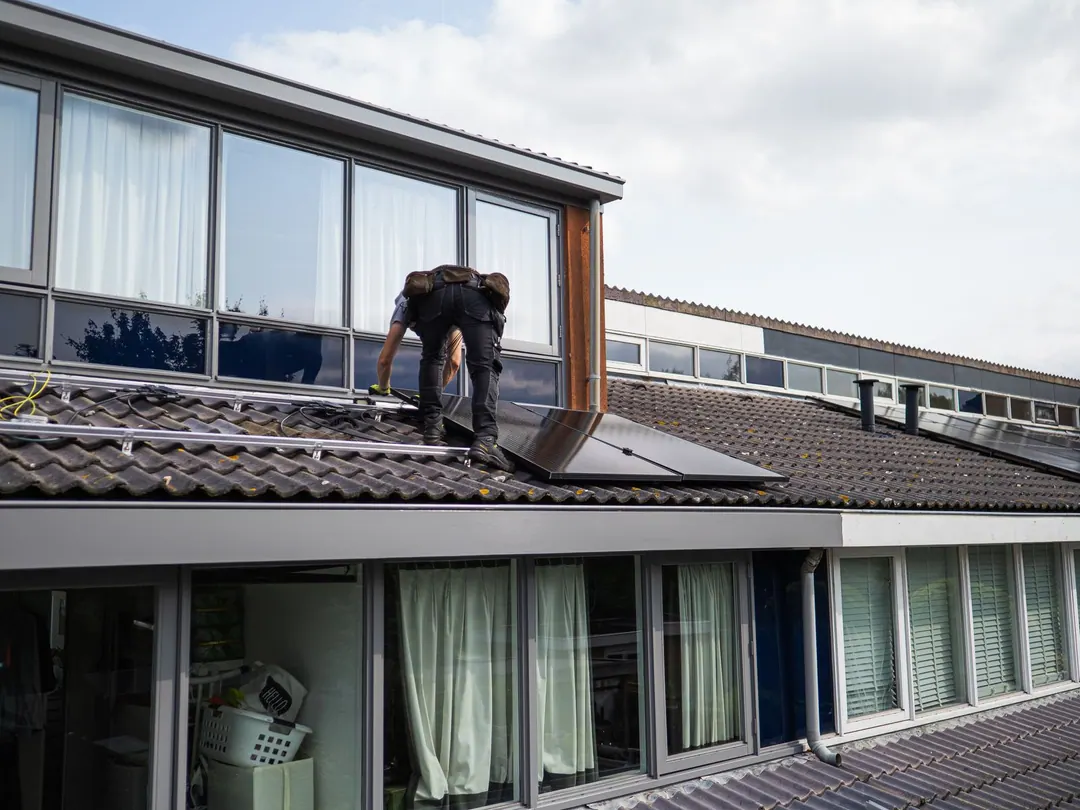
At Solar Upgrades, we’ve spoken with many homeowners recently who are understandably cautious when it comes to solar energy. The solar industry has grown rapidly in the UK, which is fantastic for clean energy and lower bills — but that rapid growth has also attracted a wave of misleading companies and scams.
Many customers we speak to have been misled, left with poorly performing systems, or simply no longer trust the companies they initially dealt with. And as we head into the busy Black Friday and winter sales season, it’s especially important to stay alert — this time of year is often when scammers ramp up their offers, hoping to catch people looking for a “too-good-to-miss” deal.
Our goal is simple: to help you make confident, informed decisions about solar energy and avoid falling victim to common scams.
Common Solar Scams to Watch Out For
1. “Free Solar Panels” or “Government-Backed” Offers
Ads promising free solar panels or claiming that you can get a government-funded installation are rarely what they seem. While there are genuine incentives to reduce the cost of solar, there is no completely free system.
Many of these offers involve long-term leases where the company retains ownership of the panels, leaving you with limited benefits and ongoing payments. Always read the fine print and verify who you’re dealing with. Our warm home grant vs solar guide compares grant-funded installations with privately designed systems.
2. High-Pressure Sales Tactics
Scammers often create a sense of urgency by insisting a special discount or “government grant” ends today. This is especially common during winter promotions and Black Friday sales.
Legitimate solar companies give you the time and space to make an informed decision — without pressure or scare tactics.
3. Impersonation of Government or Utility Representatives
Some fraudsters pose as representatives from the government or your utility provider and may use official-looking logos or documentation to appear legitimate. If you receive an unannounced visit or call, always verify their identity and never share personal or financial details until you’re sure they are genuine.
4. Misleading Contracts and Hidden Fees
We’ve seen many cases where homeowners believed they were purchasing a system outright, only to realise later they had signed a long-term lease or finance agreement with escalating payments.
Before signing anything, check the ownership terms, contract length, cancellation process, and any hidden fees. When in doubt, ask a trusted professional to review the agreement.
5. Fake Solar Companies and Identity Theft
Some scammers create fake solar brands or online surveys to collect sensitive information such as bank details or national insurance numbers.
Always ensure the company is MCS-accredited and check independent reviews before sharing personal information or paying deposits.
6. False Promises About Rebates or Tax Credits
Beware of anyone offering instant rebates or cash incentives for going solar. Genuine VAT reductions and government incentives do exist — but they are processed through official channels, not through immediate payments from installers.
7. Unnecessary or Overpriced Upgrades
Owners of older solar systems are often targeted by companies claiming their system needs urgent upgrades. But for those with Feed-in Tariff (FiT) systems, upgrading or altering your installation can void your FiT agreement — resulting in significant financial loss. Reputable companies will always check your FiT status and explain any associated risks before recommending changes.
How to Protect Yourself from Solar Scams
- Do Your Research Check Trustpilot and Google reviews, and confirm the company is properly accredited. MCS certification is essential.
- Get Multiple Quotes Compare prices, warranties, and system specifications. If something seems too cheap — or too expensive — investigate why.
- Avoid High-Pressure Sales Legitimate companies won’t push you to sign immediately.
- Check Contract Details Carefully Ensure you understand ownership, payments, warranties, and what happens if you move home.
- Never Share Personal Information Unnecessarily If you feel pressured to hand over personal or financial details early in the process, treat it as a red flag.
- Report Suspicious Behaviour Contact Report Fraud (formerly Action Fraud), Citizens Advice, or Trading Standards if something doesn’t seem right.
How to Check a Company’s Certification and Accreditation
Before proceeding with any installation or upgrade, take a few minutes to verify that the company is properly accredited:
-
MCS Certification (Microgeneration Certification Scheme)
Visit the official MCS website and use the “Find an Installer” tool to confirm the installer is certified. This guarantees they meet UK standards for quality, safety, and performance.
-
RECC or HIES Membership
Look for membership with RECC (Renewable Energy Consumer Code) or HIES (Home Insulation & Energy Systems Quality Assured Contractors Scheme). These provide additional consumer protection, dispute resolution, and contract safeguards.
-
TrustMark Accreditation
Check the TrustMark website to confirm whether the company is government-endorsed for technical competency and customer care.
These certifications help you separate reputable installers from the growing number of unverified operators. When you’re comparing quotes for solar panel installation for your home, ask every installer for these details, including us.
Already Have Solar But Not Happy With Your System?
Join The Solar Owners Club
If you already have solar but aren’t confident your system is performing correctly — or if you’ve been misled by another company and can’t get support — you’re not alone. Many homeowners find themselves in this position, especially as some installers go out of business or stop responding.
That’s why we created The Solar Owners Club — a premium membership designed to give solar PV system owners long-term confidence and professional support.
What Members Receive
- Comprehensive System Health Checks Regular inspections and performance assessments to ensure your system is generating as it should.
- Expert Troubleshooting & Maintenance Priority access to our technical team for diagnostics, repairs, and optimisation.
- Performance Reporting Clear insights into how your system is performing and where improvements can be made.
- Priority Support & Exclusive Resources Fast responses from experts, educational tools, and additional member-only benefits.
We’ve helped countless homeowners who were unable to contact their original installer or who needed honest guidance about upgrades or system performance. With The Solar Owners Club, your solar system is supported by professionals who care about long-term reliability, safety, and efficiency. Our guide to checking whether your solar panels are working lists the signs to look for, and our solar panel repairs and annual solar panel maintenance pages explain what we can do.
Final Thoughts
At Solar Upgrades, our mission is simple: to help homeowners make confident, informed decisions about solar — without pressure, confusion, or hidden agendas. Whether you’re exploring solar for the first time or looking for support with an existing system, you deserve clear information and a team you can genuinely trust.
No pressure. No urgency tactics. Just honest information to help you decide what’s right for your home.
Whenever you’re ready, we’re here to support you every step of the way.