Advice
Warm Home Grant vs Solar: What Homeowners Need to Know Before Choosing
If you’ve looked into solar recently, there’s a good chance you’ve come across the Warm Home Grant — sometimes called the Warm House Grant — advertised as a route to free or heavily subsidised panels. With energy costs still weighing on household budgets, it’s no surprise that interest has grown. Unfortunately, so has the confusion.
This guide sets out a clear, balanced comparison of the warm home grant vs solar as a privately designed system, so you can make a decision based on what actually suits your home, your usage, and your long-term goals — not just the headline offer.
Why the warm home grant is suddenly everywhere
Searches for terms like “Warm Home Grant solar” and “free solar panels UK” have risen sharply over the past year. A few factors are driving that:
-
A wave of advertising from lead-generation companies
-
Genuine concern over rising energy costs prompting homeowners to look for support
-
Eligibility expanding in certain regions
-
Understandable confusion between the various government-backed schemes
It’s worth understanding one thing from the outset: the warm home grant was never designed to deliver premium solar systems. It exists to provide standardised, cost-controlled installations at scale — which is a perfectly reasonable goal, but a different one to what many homeowners assume they’re signing up for. If an advert promises free panels, our guide to spotting solar panel scams is worth reading first.
What the warm home grant actually covers
The Warm Home Grant sits within wider government-funded programmes, including ECO4 (which ends on 31 December 2026) and the Warm Homes: Local Grant, delivered by councils in England. Broadly, these are designed to:
-
Reduce fuel poverty across the UK
-
Improve EPC ratings on existing housing stock
-
Roll out energy upgrades quickly and at scale
Solar PV can be included as part of these schemes in some cases — but it comes with meaningful restrictions that are worth understanding before you commit.
The limitations most homeowners don’t realise
Because grant-funded solar follows strict government rules, the systems installed under these schemes look quite different from a privately designed installation.
Here’s what tends to be limited:
1. Fixed cost frameworks Installers must work within tight price caps, which directly limits system size and overall quality.
2. Restricted equipment lists Only a narrow range of approved panels, inverters and batteries can be used — typically entry-level options.
3. No custom design Systems are sized to fit the grant’s parameters, not your roof, your household’s energy usage, or your long-term goals.
4. Limited or excluded battery storage Many schemes only permit small-capacity batteries, and some exclude battery storage altogether.
5. Volume-based installation You’re allocated an installer rather than choosing one yourself.
6. Lower long-term return Because the equipment and design are necessarily basic, the lifetime savings tend to be lower than a system built around your specific needs.
None of this makes the warm home grant a bad option — it simply means it’s built for a different purpose than long-term, optimised solar performance.
Why these factors matter when investing in solar
It’s worth pausing on why all of this matters in practice, because a solar system isn’t a short-term purchase. Once installed, it’s typically expected to perform reliably for 20 to 30 years — so the decisions made at the outset have a real, lasting effect on how much you save and how much you get out of the system over its lifetime.
When you’re choosing a system, the factors genuinely worth weighing up are:
-
The strongest possible performance from your roof — getting the most out of the space you have, rather than a generic, one-size-fits-all layout
-
Premium, well-supported equipment — components built to last, backed by manufacturers and installers who’ll still be around in ten years’ time
-
Battery storage — whether you need it now or simply want the option to add it later
-
Long-term savings and genuine energy independence — not just an initial reduction in your bill, but a system that keeps performing well for decades
-
In-house installation and ongoing aftercare — knowing who installed your system, and having somewhere to turn if something needs attention
These aren’t abstract considerations — they have direct, practical consequences depending on which route you choose. With a restricted, grant-funded system, the trade-offs tend to show up over time rather than immediately:
-
Lower lifetime output, simply because the system wasn’t sized or positioned for maximum performance
-
Cheaper components that may need earlier replacement, adding cost further down the line
-
Limited upgrade paths — for example, an inverter that isn’t battery-ready, making it harder and more expensive to add storage later
-
Missed optimisation opportunities, since the design wasn’t built around your specific roof or usage
-
Inconsistent workmanship, a natural risk of volume-based installation models where you don’t choose your installer
-
Little to no long-term support, leaving you without anywhere to turn if performance drops or something needs adjusting
None of this is to say a grant-funded system is the wrong choice for everyone — for some households, it genuinely is the right fit. But it’s worth going in with a clear understanding of what you’re trading off.
How a privately designed solar system compares
This is where the picture changes considerably.
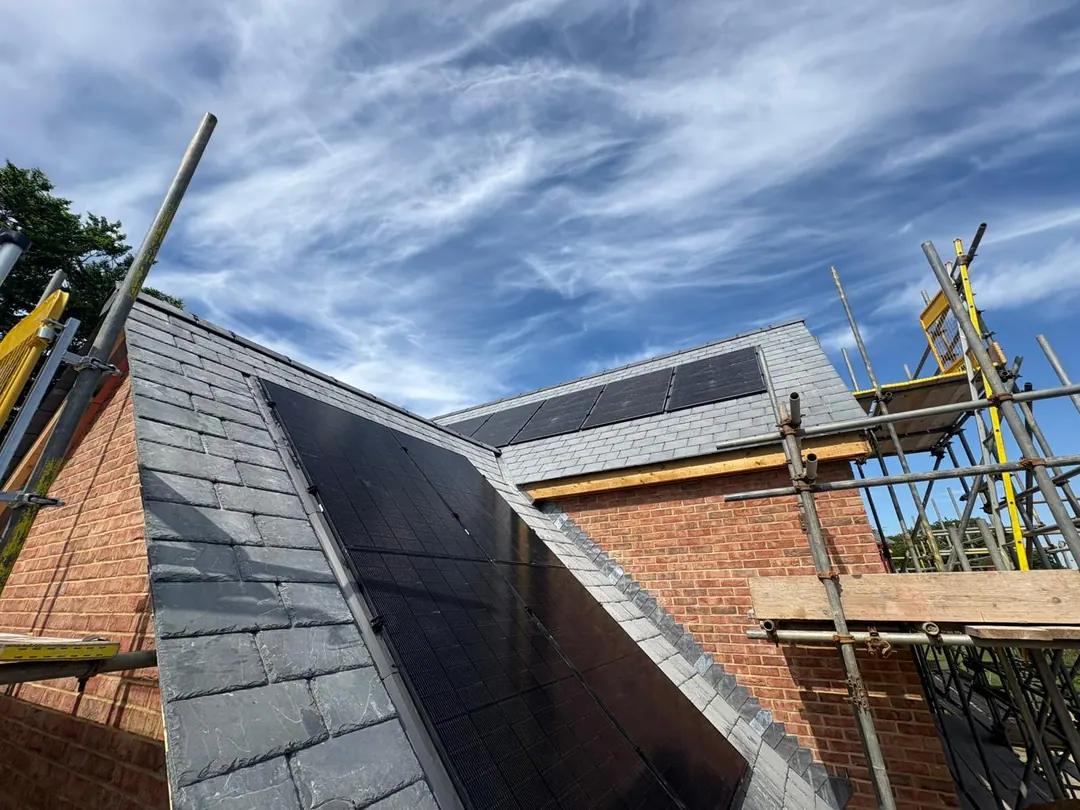
A privately funded solar installation from Solar Upgrades is designed entirely around your home — your roof, your usage patterns, and your long-term performance goals — rather than being shaped by the constraints of a grant scheme. Our page on how we design and install solar panels explains what that involves.
What a private system includes:
-
Custom system design based on your roof orientation, shading, and household energy profile
-
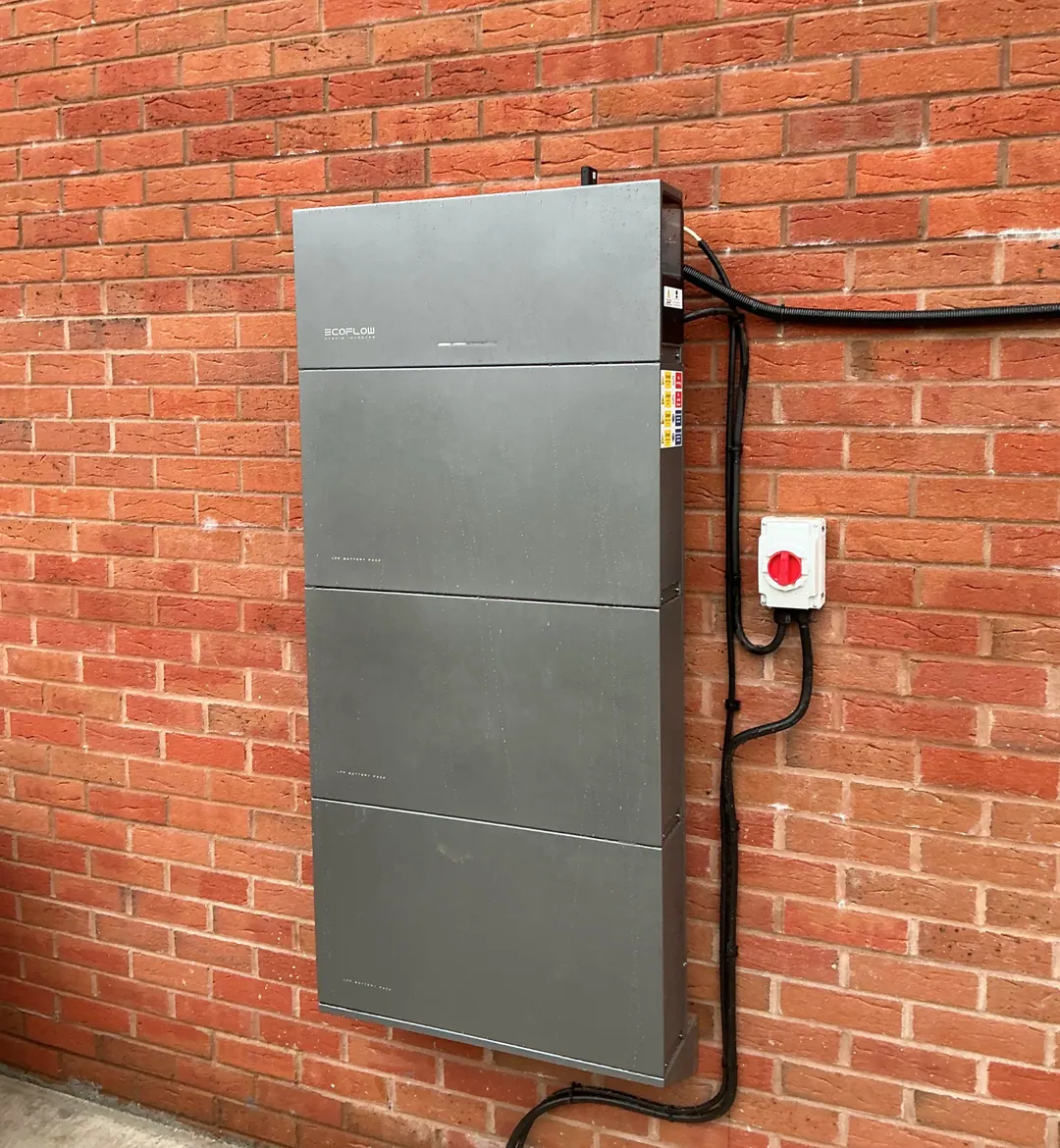
Full battery storage options, sized to your actual usage
-
Estimated savings and a forecast payback, designed around your use
-
An in-house installation team, with no subcontractors
-
A 10-year workmanship warranty
-
Support with DNO applications, SEG registration, and tariff optimisation
-
Ongoing technical aftercare
The focus throughout is on performance, reliability and long-term ownership value — not simply meeting the minimum requirements of a scheme.
A year of support, included as standard
One of the differences that matters most over time is what happens after installation day.
Every Solar Upgrades installation includes a full year’s membership of The Solar Owners Club, giving you ongoing support long after your system is up and running.
What is included in the membership:
-
Optimise: Maximise your savings and boost system performance through expert guidance, annual health checks, and exclusive wholesale pricing on system upgrades.
-
Protect: Safeguard your investment with proactive fault detection, warranty-safe support, and fixed, discounted labour rates.
-
Connect: Gain access to a dedicated support helpline and an exclusive community hub to share experiences and learn alongside fellow solar owners.
It’s the kind of long-term relationship that simply isn’t part of grant-funded installations, which typically end at the point of handover. For us, it’s a natural extension of building systems we expect to perform well for decades — we’d rather stay involved and make sure they do.
Side-by-side comparison
| Feature | Warm House Grant | Solar Upgrades (private system) |
|---|---|---|
| System design | Standardised | Fully custom |
| Equipment | Basic, restricted | Premium brands |
| Battery storage | Limited or excluded | Full capacity options |
| Performance | Meets minimum criteria | Optimised for long-term output |
| Installer | Assigned contractor | In-house specialists |
| Aftercare | Basic | 1 year of The Solar Owners Club membership included, plus ongoing support |
| Flexibility | None | Full flexibility |
Which option is right for you?
A warm home grant may suit you if:
-
You meet the eligibility criteria for your region
-
You’re looking for a basic system at minimal upfront cost
-
Equipment choice and long-term optimisation aren’t a priority
A privately designed system may suit you better if:
-
You want the strongest possible performance from your roof
-
You want premium, well-supported equipment
-
Battery storage is important to you
-
You’re focused on long-term savings and genuine energy independence
-
You value in-house installation and ongoing aftercare
Warm home grant vs solar final thoughts
Both routes have a place, depending on what you’re looking for. The warm house grant can be a sensible starting point for households focused on basic energy upgrades at low cost. But if you’re aiming for a system that performs well for decades, uses equipment you can rely on, and is backed by people who’ll still be there if you need support — a privately designed installation offers considerably more flexibility, reliability and long-term value.
If you’re still weighing up your options, our earlier guide on how to lower your energy bills is a good place to start before deciding which route fits your home.
Get in touch
If you’d like help comparing your options, or want a personalised system design for your property, we’re here to help — with no pressure and no obligation.
-
Call us: 07441 369 505
-
Email: info@solarupgrades.co.uk
-
Contact form: solarupgrades.co.uk/contact