Advice
Solar battery not charging? The usual causes and what to check
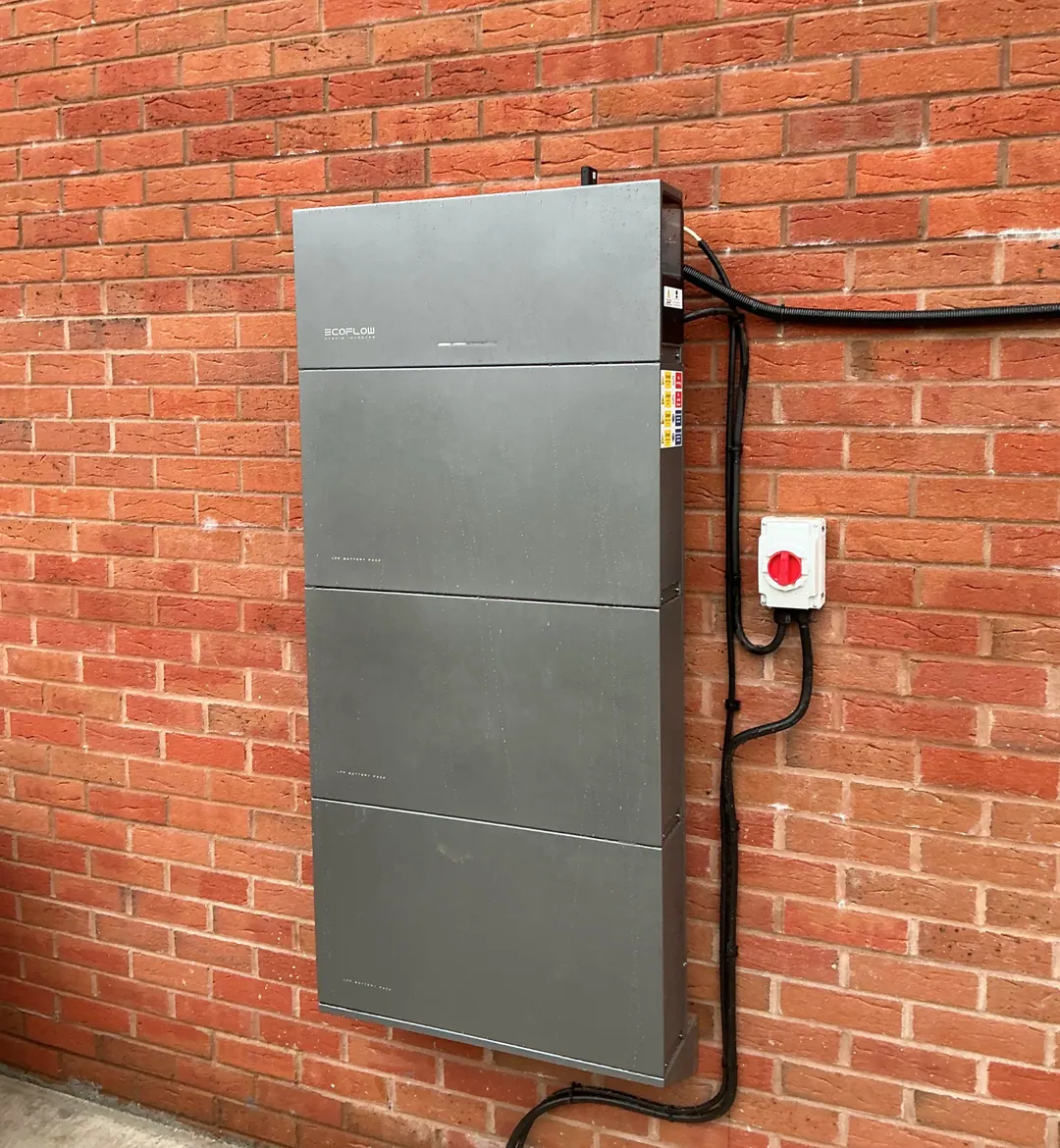
If your solar battery is not charging, the cause is usually a setting or the season rather than a fault. A battery only stores the solar your home isn’t using, so a full battery, a charge limit, a work mode that exports first or a short winter day can all leave the percentage stuck. Below are the usual causes in the order we’d check them, then each maker’s own advice, checked on 2 November 2026. Routine checks that catch these early are covered in does solar PV need maintenance.
Every check here is made in the app or by looking. Never open the battery or inverter.
Is your solar battery really not charging?
In daylight, open the app and compare what the panels are generating with what the house is using and what the battery is doing. Then rule out the normal reasons a battery sits still.
-
Your home is using the solar first. The panels supply the house before the battery, so with the oven on there may be nothing left to store.
-
It’s already full. The panels carry on and the surplus is exported to the grid, as our page on how solar battery storage works through the day shows.
-
It’s slowing near the top. Fox ESS says charge rates are throttled at very high states of charge to protect battery health, a measure driven by battery chemistry and used across the industry.
-
The app has stopped updating. Fox says a datalogger or inverter that loses its Wi-Fi is usually down to a change on the home network, such as a new router or password, and needs re-pairing before it sends data again.
Charge limits and the reserve level
All three makers whose batteries we fit let owners set charge levels in the app, such as a ceiling the battery charges up to or a reserve it holds back. EcoFlow’s manual calls its ceiling the charge cutoff, Fox’s schedules charge to a target state of charge, and Sigenergy and EcoFlow both call the reserve the Backup Reserve.
If the ceiling is set below 100%, the battery stops there every day and looks stuck. The reserve works the other way. Sigenergy says that on a system with its Gateway, the battery stops discharging at the backup level while the grid is connected, so on a dull day it can sit at that figure for hours. Neither is a fault. If you’re unsure what the levels should be, ask us before changing them.
Work modes that put export or timing first
Your work mode decides where the solar goes. In a self-use mode, which every maker offers under its own name, the surplus fills the battery before anything is exported. Other modes change that order:
- Export-first modes send the surplus to the grid and charge the battery only in particular conditions.
- Timed modes charge and discharge in the periods you set, and can leave the battery idle outside them.
- Automatic or AI modes decide when to charge for you, using your usage patterns and electricity prices.
Cheap-rate grid charging and schedules
On a tariff with a cheap overnight rate, the battery may be set to fill from the grid in those hours. Fox describes Force Charge as typically used during off-peak tariff periods, and Sigenergy’s Time-based Control lets the battery charge at night when grid electricity is cheaper. A battery that’s full by breakfast has no room for the morning’s solar, so the surplus is exported.
Schedules also take priority. Fox says that when Mode Scheduler is on, the schedule takes priority over the default operating logic during the set periods. After a tariff change, check the times still match your cheap hours.
CT clamps, meters and communication
A hybrid battery system relies on measuring what flows in and out of your home at the supply, using a CT clamp, a small sensor around the incoming cable, or a dedicated meter. Fox calls its CT clamp essential for grid import and export monitoring and a compulsory part of any installation with batteries, fitted around the incoming live tails with its arrow pointing towards the grid. EcoFlow uses a smart meter, and one of its inverter’s fault indications is “abnormal smart meter communication”.
Without a good reading, the system can’t tell how much surplus there is to store. The clamp sits on live cables by your electricity meter, so checking it is a job for us.
When the battery management system steps in
Fox ESS says its battery management system, or BMS, monitors each cell’s temperature and voltage and stops all current flow if it detects an abnormality. If the BMS itself fails, a communication error tells the inverter and the battery goes idle, with no charging or discharging until the issue is resolved.
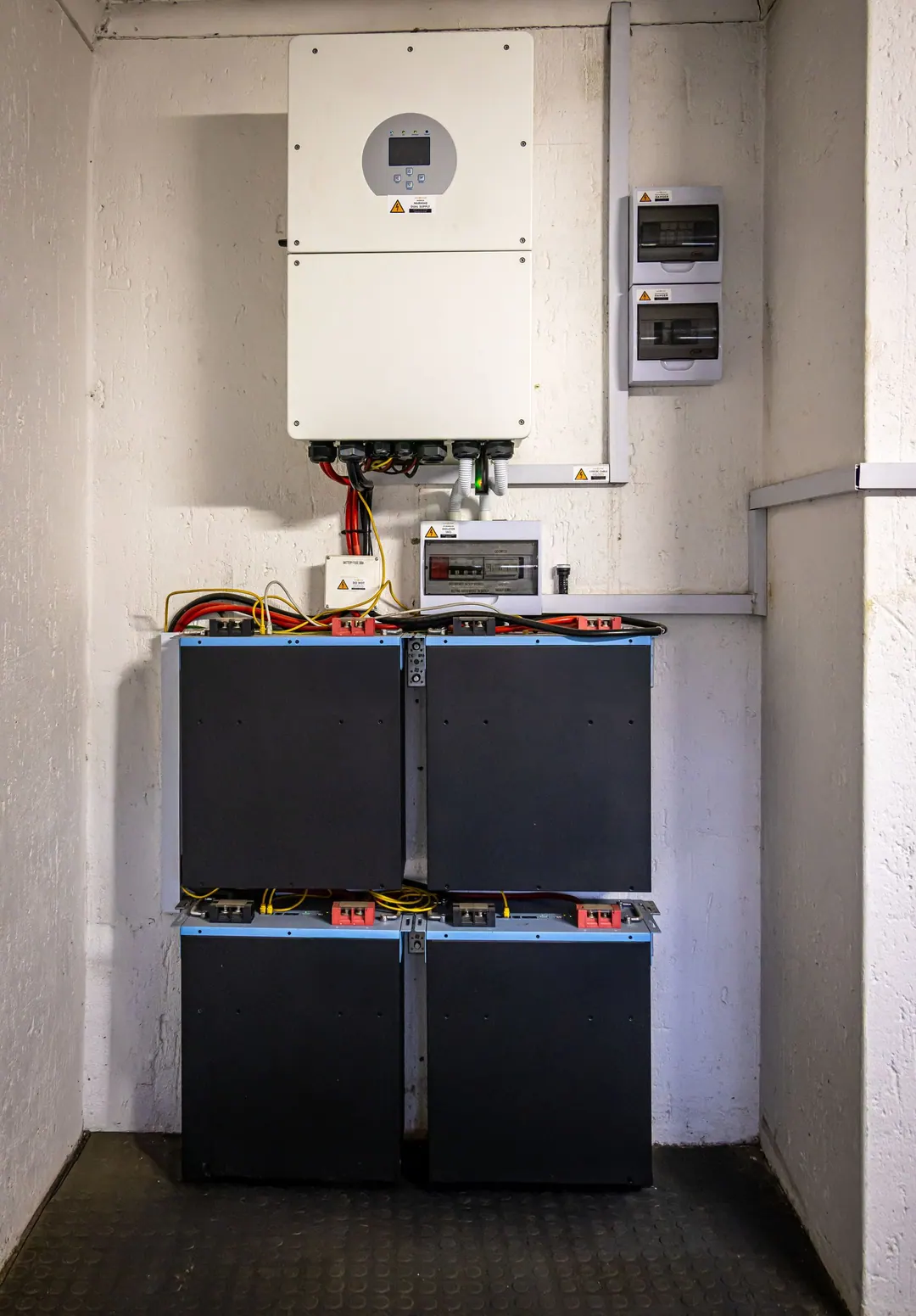
EcoFlow’s indicators separate “battery is faulty” from “abnormal battery communication”, and Sigenergy’s show when some or all of its battery modules are faulty, or all of them are dormant. A battery left idle for a long time at a very low charge can also enter what EcoFlow calls deep sleep protection mode, and it needs recharging before use.
These are faults for us. EcoFlow’s manual says its equipment should be powered on only after all faults are rectified, or faults may escalate.
Tell us what your battery is doing
Why batteries charge less in winter
Winter hits a battery twice. First, there’s less solar to store. We ran PVGIS, the European Commission’s solar estimating tool, for a 4 kWp south-facing array at a 35° pitch near Launceston, with 14% system losses. It averages about 4.2 kWh a day in December, against about 15.9 kWh a day in June. Once the house has taken its share in daylight, a December day may leave little or nothing for the battery.
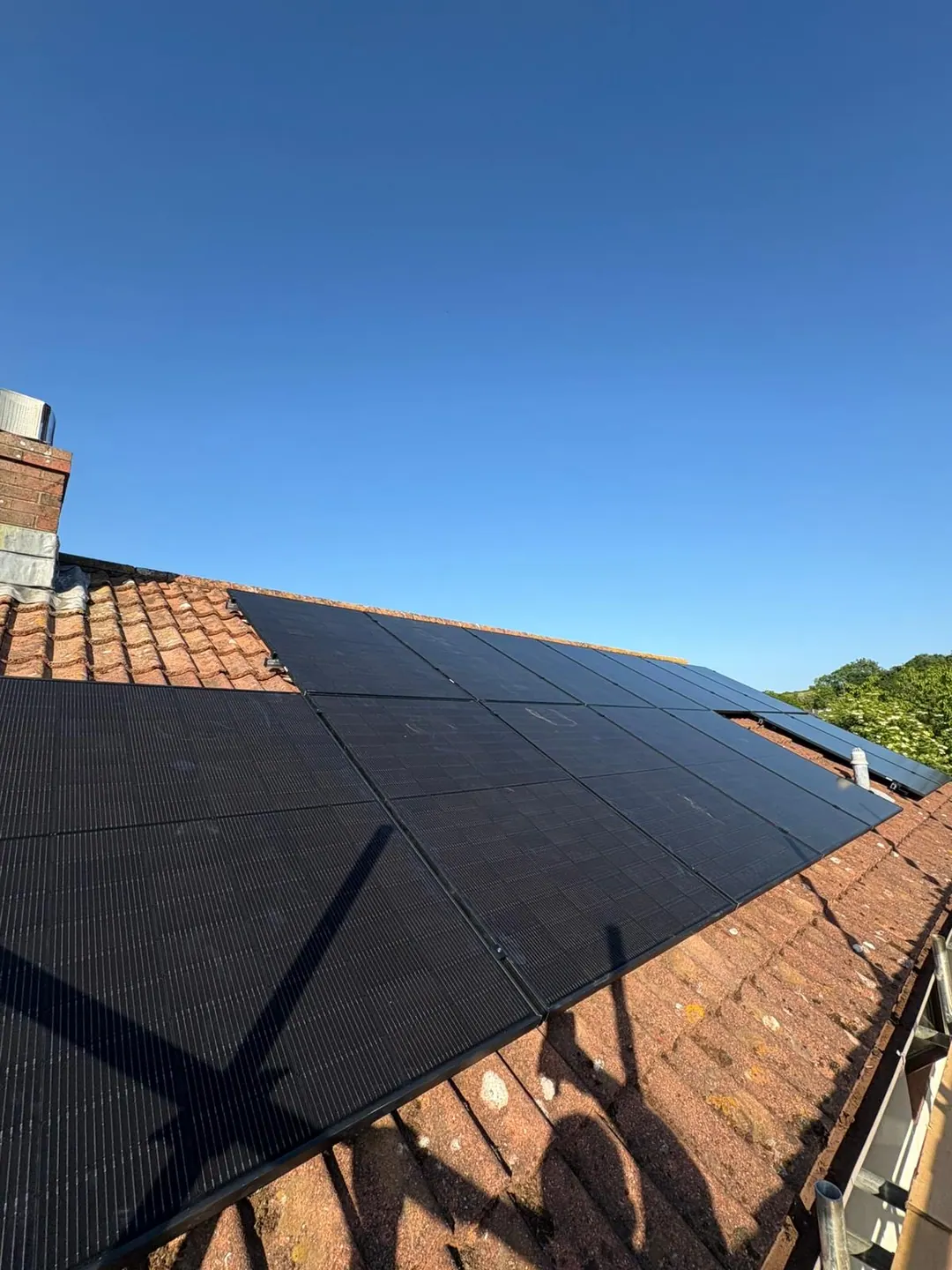
Second, lithium batteries don’t like charging in the cold. All three makers limit charging at low temperatures, and some batteries heat themselves first, which uses power. Fox recommends well-insulated areas, such as garages or utility spaces, to reduce the effect.
What the makers’ own guides say
App labels can vary by version.
Fox ESS
- Work modes. In Self-use, surplus solar goes into the battery before any is exported. In Feed-in Priority, the surplus goes to the grid, and the battery charges only if export is limited. More in our guide to Fox ESS work modes.
- Schedules. The Fox Cloud 2.0 app keeps work modes and schedules together in the Mode Scheduler. If it’s missing from your app, Fox says the inverter firmware needs upgrading, through Fox or your installer.
- Cold. For batteries without built-in heating, Fox gives a charging range of 0°C to 55°C. Slightly outside it, the battery goes dormant until it warms. Fox suggests contacting your installer if cold-weather drops keep happening, especially below 5°C. See the Fox ESS inverters and batteries we fit.
Sigenergy
- Work modes. Self-Consumption stores surplus solar before exporting. Fully Fed to Grid sells as much as possible, storing solar only when the panels produce more than the inverter’s maximum output. Time-based Control charges and discharges in the periods you set, and the rest are non-charging periods.
- Cold. Below 0°C the battery can’t charge straight away. It switches on its built-in heater, and Sigenergy says the best charging comes after less than two hours of heating, which uses some power.
- Staying online. If the system is offline for several consecutive days and nobody responds to its reminders, Sigenergy’s manual says it switches off as a safety precaution.
- Charge failures. Sigenergy’s manual names possible causes, including no solar input while the grid is off for a long time, a faulty unit, or parameters not set correctly. More on the Sigenergy systems we install.
EcoFlow PowerOcean
- Charge levels. In Self-powered mode, the default charge cutoff is 100% and the discharge cutoff 5% for PowerOcean LFP batteries, and the app’s Backup Reserve keeps the battery around the level you choose.
- Existing panels. Where PowerOcean is added to solar you already have, EcoFlow says the battery won’t charge from the old system while it feeds in less than about 200 W. See adding a battery to existing solar.
- Cold. In a cold spot, the battery’s thermal control heats it, which uses power, and charge and discharge power are derated below -10°C or above 45°C.
- Fault lights. EcoFlow’s manual says the error code behind a fault light is read in EcoFlow Pro, its installer app, so tell us what the lights show. See our EcoFlow PowerOcean installations.
When to stop checking and call us
Call us if the settings look right and the battery still won’t charge on a bright day, if the app shows an alert or a fault light is on, or if the system won’t reconnect. It helps to have:
- the make and model, from the app or the label
- a screenshot of the app’s live screen and any alerts
- when it stopped charging, and anything that changed then, such as a new router
Leave the hardware alone. Sigenergy’s manual says owners must not take its equipment apart, EcoFlow’s says only qualified professionals should install, operate and maintain its system, and Fox keeps safety settings for installer accounts. If a battery smells unusual, leaks or feels hot, don’t touch it, as Sigenergy’s manual advises, and ring us at once.
Our solar panel repair and fault-finding service works on systems we didn’t fit as well as our own, and we look after batteries as well as panels. Our team includes a solar PV electrician, and we cover Devon and Cornwall, including homes around Launceston, under 6 miles as the crow flies from our base on the Devon side of the Tamar.
Keeping it charging through the year
-
Keep it online. Fox ESS, Sigenergy and EcoFlow all tie their longest warranty cover to the system being connected to the internet.
-
Glance at the app. We show you how to follow your system in the app at handover, and a regular look catches a stuck battery early.
-
Have it checked once a year. Our one-hour Annual Solar Health Check tests and inspects your system, and for the panel side, read the signs your panels need a health check.
Every installation we carry out includes a year of The Solar Owners Club, with a dedicated support line, and our guide to joining the club sets out what members get. A solar battery not charging is usually telling you something about its settings, the weather or its sensors. Check the app first, and if the answer isn’t there, let us find it.